we are
Collaborators / Strategists / Globetrotters / Competitive / Loyal / Accountable / Equals / Pet-Friendly / A Somewhat Motley Crew / Honored to Do What We Do / Moving Forward (So Keep Up)
We pride ourselves on not losing our focus. We started out and remain GIS experts (or geeks. . . depending on your perspective). Since 2006, we’ve evolved into a world-class and world-wide service provider of multiple disciplines. We are a talented, hardworking group that share values and characteristics that drive client, professional, and personal success.
Collaborators / Strategists / Globetrotters / Competitive / Loyal / Accountable / Equals / Pet-Friendly / A Somewhat Motley Crew / Honored to Do What We Do / Moving Forward (So Keep Up)
Your Average Joes / Generalists / Greedy / Afraid to Speak Up / Hierarchical / Wizards / Mean / Entitled / Going to Waste Your Time / Party Poopers
For over a decade it has been an honor to serve the men and women who risk it all. The clients we serve have a mission that exceeds all others. We aid them through hard work, strategic execution, and a genuine concern for their business and their resources. We are proud to continually expand our service offerings while remaining true to our passion.
Geocgi has established a distinguished reputation for excellence in deploying Esri’s ArcGIS suite of software. As an Esri Gold Business Partner, we consistently exceed customer requirements and expectations by delivering high-quality Esri system design, integration, and deployment. Our expertise spans enterprise and web-GIS solutions, with a strong focus on ArcGIS Enterprise (Portal and Server) across both on-premises and cloud-based infrastructures.
Our team has comprehensive knowledge of the entire suite of Esri enterprise products, enabling us to create tailored solutions for a wide range of organizational needs. To further enhance the capabilities of ArcGIS Enterprise, we specialize in extending its out-of-the-box functionality by leveraging powerful tools like Python and JavaScript. This approach allows us to deliver customized solutions that add significant value to our customers’ GIS experiences.
We employ established geospatial professionals with validated skills and experience. Our staff have been vetted as geospatial technology experts with Esri through the following certifications:
Our expertise is supported by Esri accredited specialties that include Federal Small Business, ArcGIS Indoors, and ArcGIS Cloud Services. In 2024, geocgi was named the Esri Federal Small Business Specialty Partner of the Year and received the Esri Integration Award and the Esri Partner Conference.

Geospatial information is increasingly being used for data driven decision making, resulting in a reliance on geospatial programs to store, manage, and disseminate relevant and accurate geospatial data to stakeholders. Effective geospatial program management facilitates a geospatially enabled environment.
Our principally GIS-focused service offerings ensure that we remain adept in the latest software and industry trends, resulting in innovative solutions for long term program success and viability.
geocgi supports the United States Marine Corps (USMC), U.S. Air Force, and U.S. Army GIS programs at the Headquarter, Region, and Installation levels – both Continental United States (CONUS) and Outside the Continental United States (OCONUS) – leading to proficiency in all aspects of coordination and management of an enterprise geospatial program.
geocgi personnel specialize in the establishment of strategic plans; the implementation of policies, procedures, and communication strategies; and the achievement of mission objectives. Related geospatial program management experience includes:
Clients use spatial data to drive many of their important business decisions. Spatial data supports visualization and analysis to study relationships, observe patterns, and provide insight to organizations. We leverage unique domain knowledge with data sources, techniques, and workflows involved in data collection including but not limited to:
With organizational “buy in” and high accuracy, geospatial data can significantly improve decision making. Since 2006 geocgi has engaged with Department of Defense (DoD) SME’s – establishing credibility, expanding knowledge, and cultivating relationships at all levels. We are fluent in the geospatial data standards that translate functional requirements into authoritative, useful data for products, services, and analyses.
Whether you call it “DevOps” or “DevSecOps” the tight integration of security protocols within the application development lifecycle streamlines and expedites the delivery of applications and services to clients. As applicable, we apply the technology across a wide range of projects.
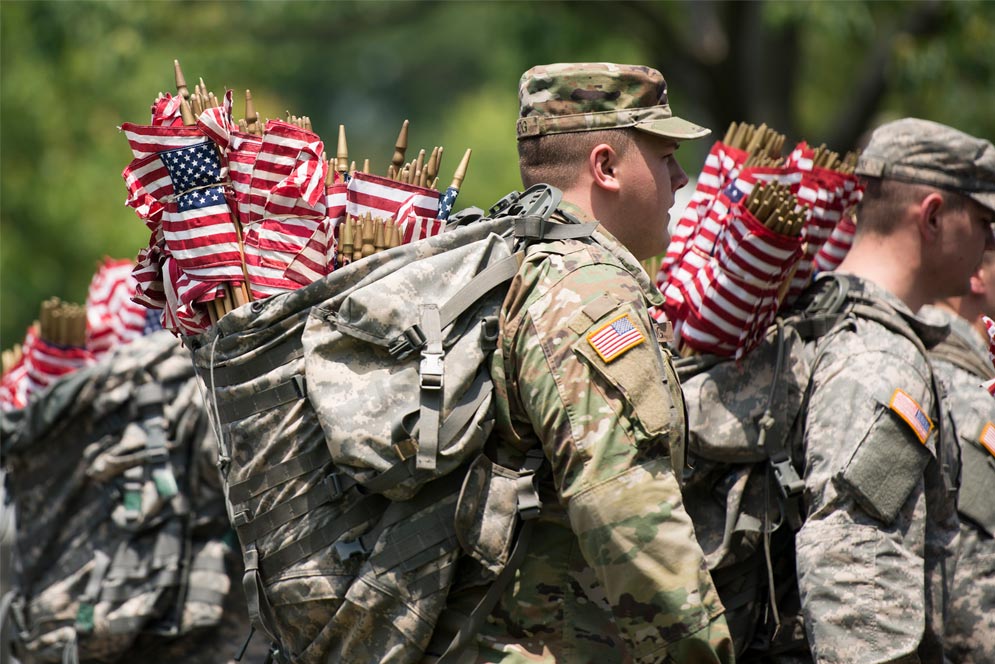
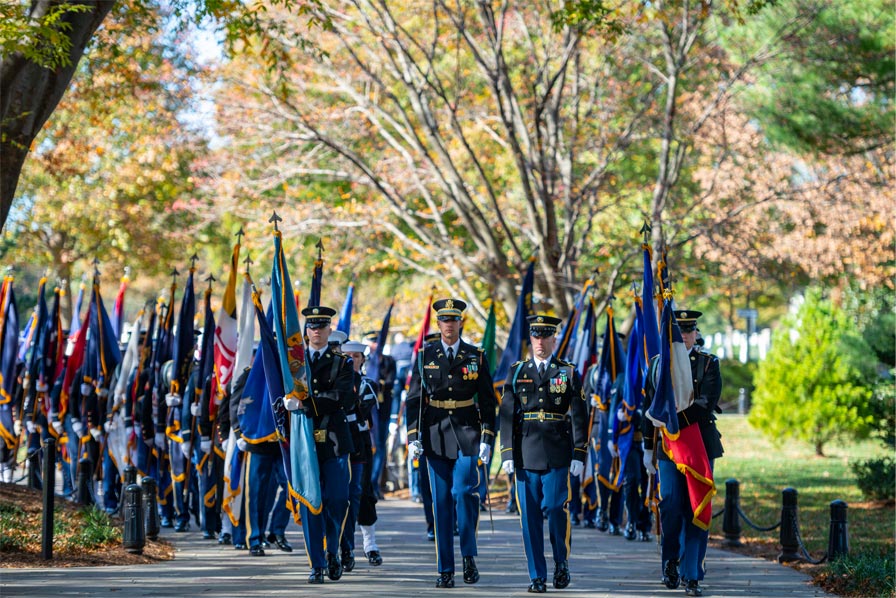
geocgi develops and maintains Arlington National Cemetery (ANC) & Army National Military Cemeteries (ANMC) Website Development Operations & Maintenance (O&M) web presence, including custom web applications using the ASP.NET stack and DNN Content Management System (CMS). We perform rigorous requirements gathering to ensure systems are hardened and STIG compliant throughout the development and release cycles. Custom applications include: Headstone Designer, Events and Ceremonies, Multi-Media Blogs and Responsive Designs.
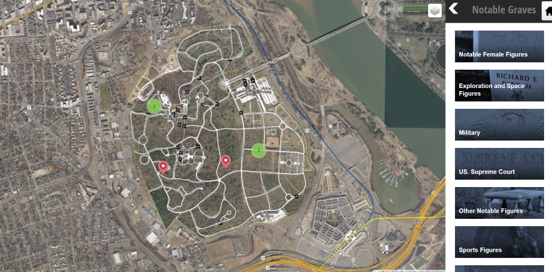
ANC Explorer is the cemeteries interactive map and grave finder. Developing in HTML 5 and AngularJS, while incorporating technology from Leaflet, MapBox, and ESRI, we provided a seamless and secure mapping and visualization experience for visitors on the web, mobile, and kiosk platforms.
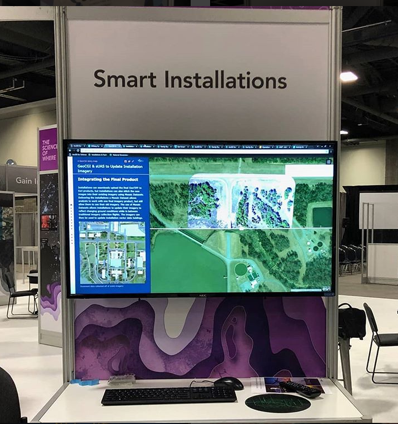
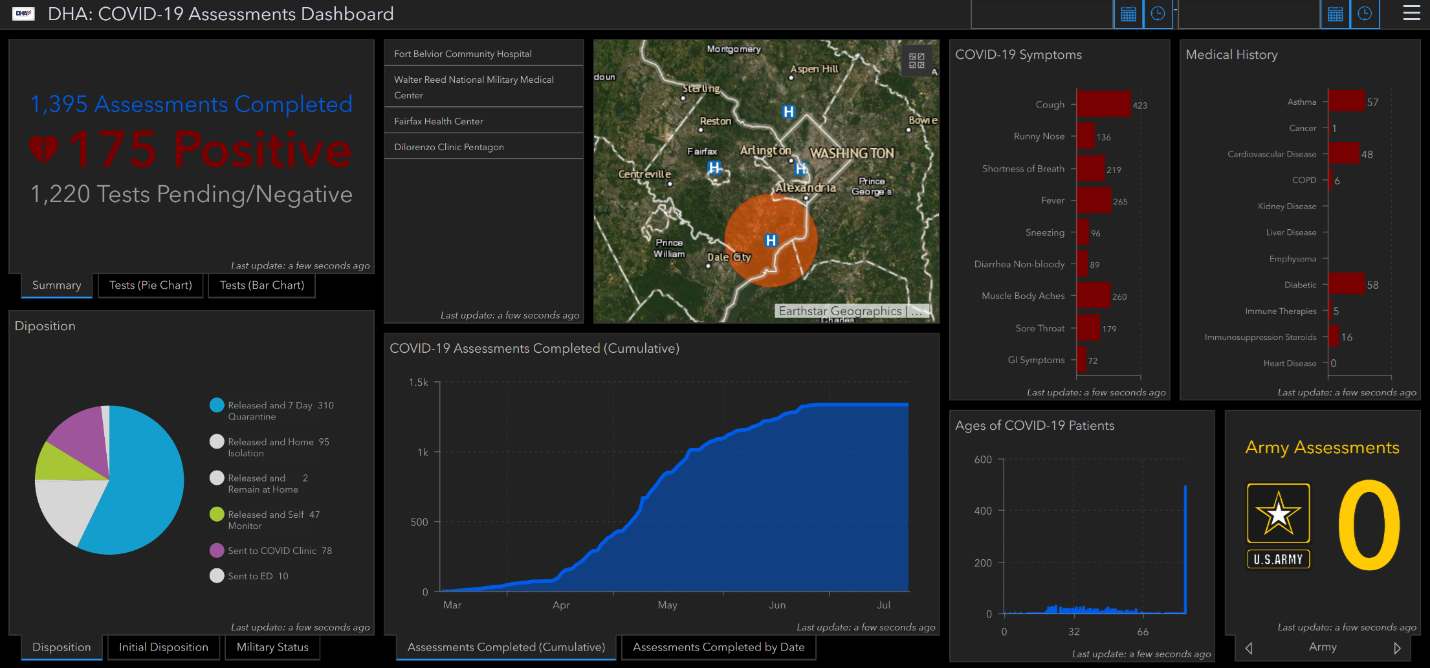
geocgi stood up a cluster of secure cloud-based Esri application servers to quickly and securely analyze drone imagery collected for the Installation Geospatial Information & Services (IGI&S) Common Installation Picture (CIP) Data Collection and Standardization for Headquarters, Department of the Army (HQDA) effort that we have headed for nearly three years.
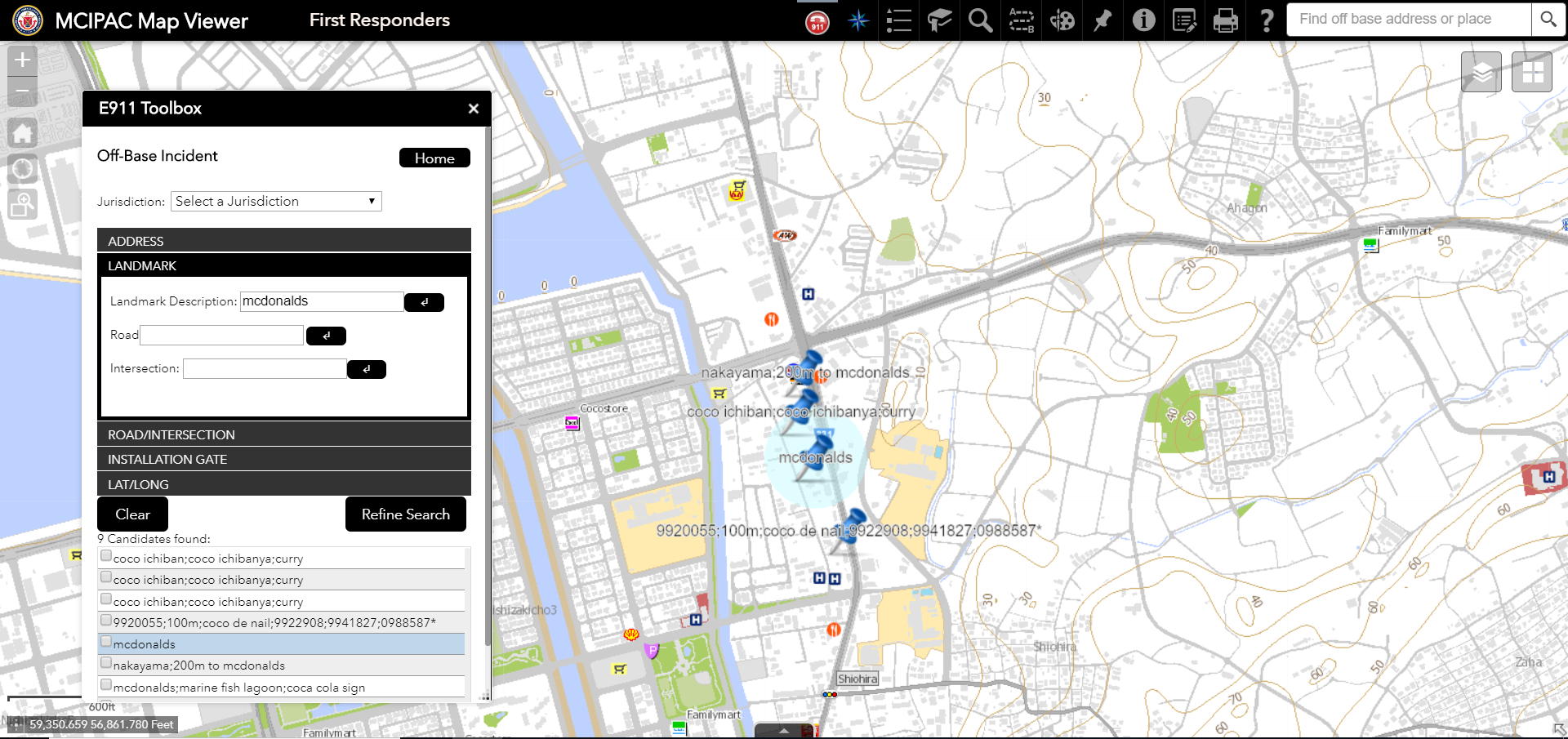
geocgi built a secure cloud-based application development environment, utilizing IaaS technology for Marine Corps Installations Pacific (MCIPAC) IGI&S application development efforts. Through this environment, the client and our developers access, build, test and push hardened STIG compliant applications all siloed in a safe environment.
Utilizing ASP.NET framework and an MVC (model-view-controller) architecture, geocgi implemented creative and secure solutions for data visualization inside desktop and web-based applications within the USMC Critical Asset Management System (CAMS) for the USMC Mission Assurance Development Lab (MADL). Additionally, using GEOFidelis assets, geocgi integrated a GIS module into the system using Esri software developers kit (SDK).
An enterprise GIS provides broad access to geospatial data and applications throughout the organization. The combination of geospatial enterprise technology and Web GIS provides applications and tools to end users for analysis and visualization. Organizations can use dynamic geospatial data within custom enterprise solutions to better collaborate, communicate, and solve their unique problems. Web GIS platforms are ideal decision-making tools within an organization because they enable employees, stakeholders and subject matter experts. Whether in the office or out in the field enterprise technology allows your organization to access, edit, and share relevant and timely data, maps, applications, and workflows.
Geospatial Enterprise and Web GIS enable organizations to provide broad access to authoritative GIS data. geocgi is committed to developing GIS professionals that exceed the requirements of implementing this evolving technology; and focus on innovation in GIS design and incorporating related technologies.
Enterprise: ArcGIS Enterprise (ArcGIS Server + Server Extensions, Portal for ArcGIS, ArcGIS Data Store, ArcGIS Web Adaptor)
Web GIS: Portal for ArcGIS and ArcGIS Online (Web AppBuilder, Story Maps, Mobile GIS, 3D Web Scenes)
Geospatial Databases: MS SQL Server, Oracle, PostGRESQL, MySQL
Geospatial Development: JavaScript, Java, Leaflet, .Net, MVC, AngularJS, iOS and Android, and a long list of SDKs and APIs.
geois one of the most experienced small businesses currently providing Department of Defense (DoD) Installation Geospatial Information & Services (IGI&S) support. Since 2006, we have provided on-site functional and technical GIS programmatic support to the United States Marine Corps (USMC), U.S. Army, and U.S. Air Force. On-site support has been provided at the Headquarter, Region, and Installation levels – both the Continental United States (CONUS) and Outside the Continental United States (OCONUS).
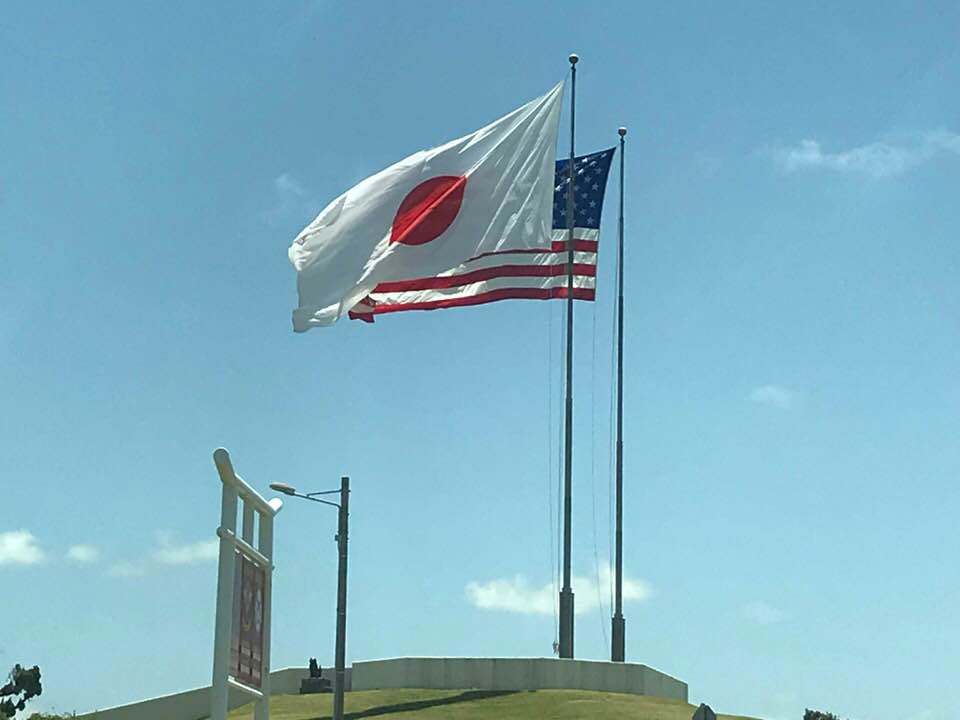
We currently provide the USMC and United States Air Force (USAF) with GEOFidelis and GeoBase support throughout the Pacific region including Japan, Korea, Hawaii, and Alaska. The result of our experience is an encyclopedic understanding of the political, regulatory, technical, and management challenges associated with DoD enterprise geospatial systems and installation management activities.
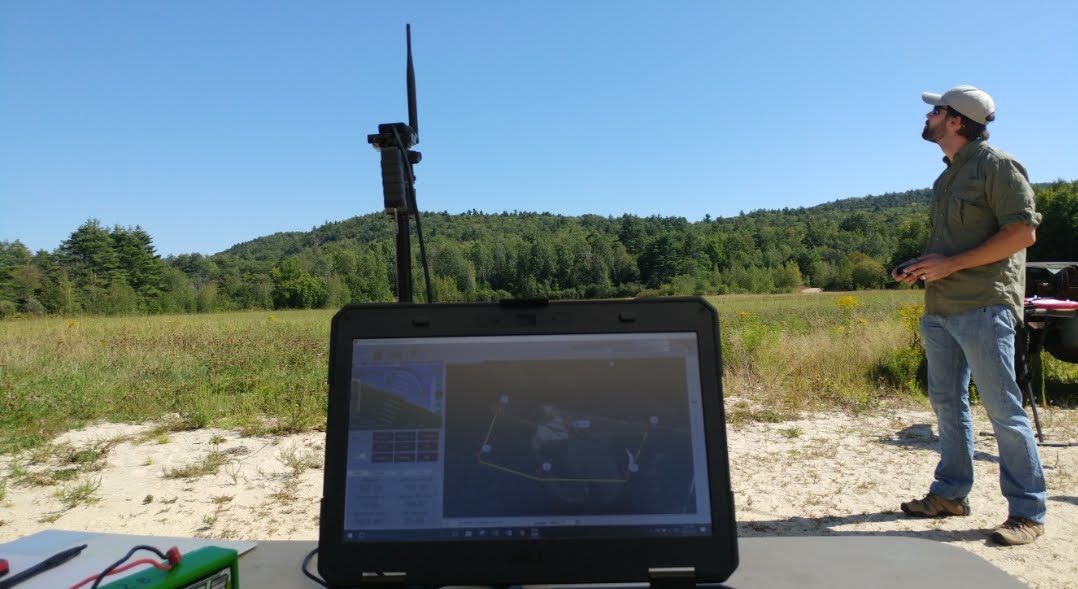
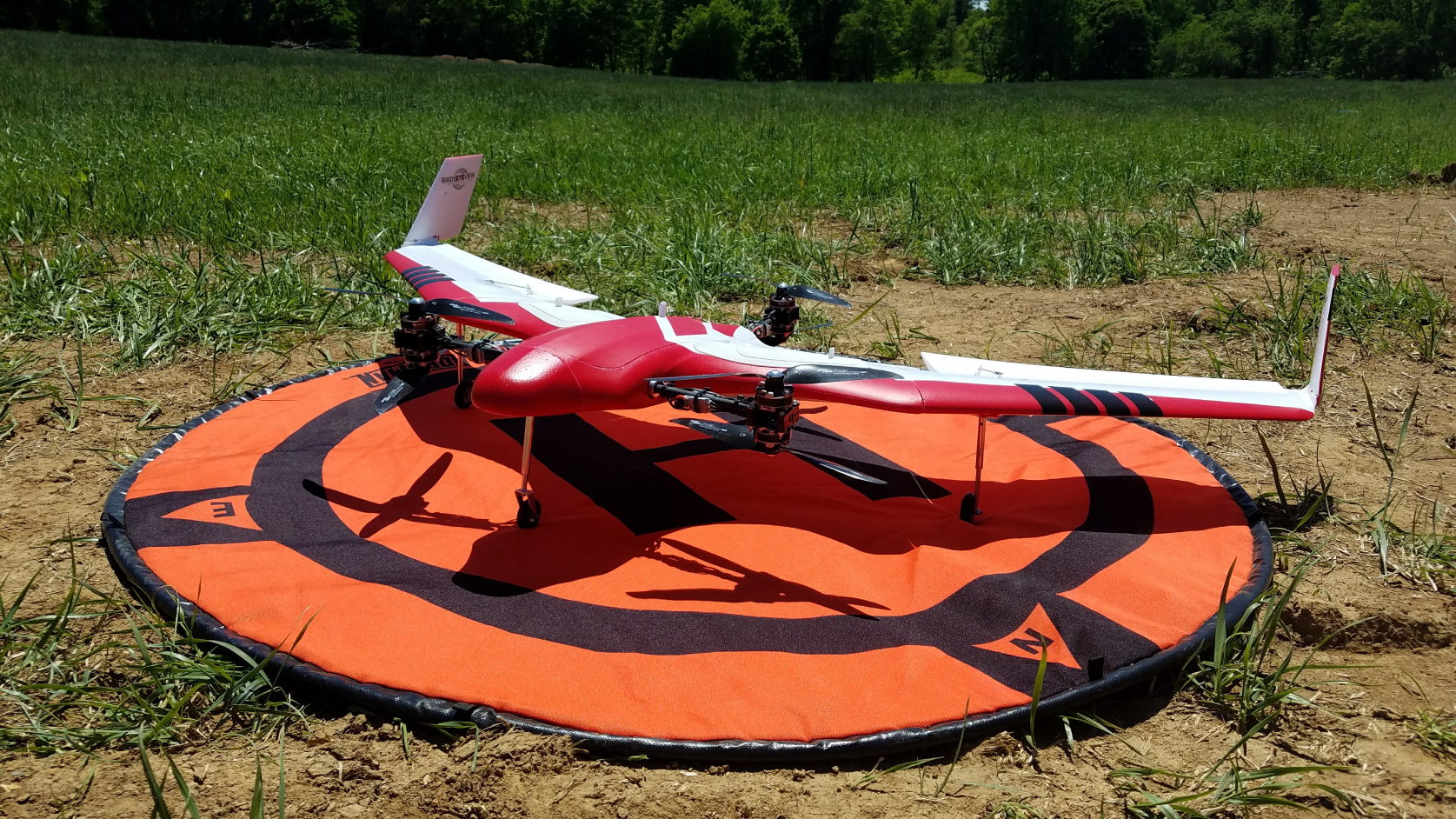
Small Unmanned Aircraft Systems (sUAS) have changed the characteristics of imagery workflows within organizations. Pairing GIS with sUAS allows us to deliver accurate, timely, and meaningful high-resolution data to organizations at a lower cost point when compared to traditional aircraft and satellite systems.
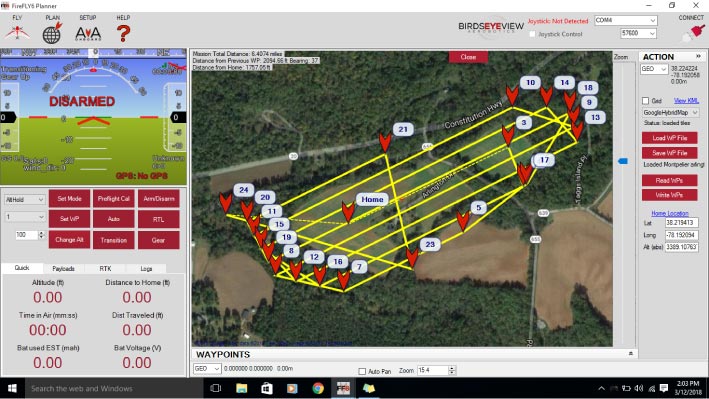
geocgi streamlines the delivery of sUAS and Enterprise GIS capabilities to organizations. We provide clients flexibility and agility with rapid mapping in the field, traditional orthomosaics, 3D webscenes, point clouds, and meshes. We monitor and record inspections of complex projects through sUAS and GIS technology. Resulting products are integrated into existing raster catalogs using Esri’s Mosaic Dataset and other enterprise geospatial solutions – providing end-users with near-immediate access to sUAS products.
geocgi’s team of geospatial professionals are Federal Aviation Administration (FAA) licensed through Part 107 as certified sUAS pilots and are experienced in:
geocgi is proficient in a variety of sUAS technologies and products, specializing in:
We use sUAS services to provide quick and comprehensive data collection for a multitude of functional use cases and mission requirements including:
geocgi is the most experienced small business providing Installation Geospatial Information & Services (IGI&S) support to the United States Marine Corps (USMC) and one of the most experienced providers of Geospatial Information Systems (GIS) related services to the Department of Defense (DoD) including the United States (US) Army and US Air Force. Our reputation for successful delivery is recognized DoD-wide and our founders, principals, and staff are highly regarded members of the GIS community. geocgi has provided GIS related services such as program management support, policy development, spatial data infrastructure (SDI), and strategic planning since 2006. We have, and continue to be, instrumental in evaluating emerging technologies and implementing Information Technology (IT) solutions – facilitating transformative and impactful changes in both mature and burgeoning GIS programs. The result of our experience is a thorough understanding of the political, regulatory, technical, and management challenges associated with enterprise geospatial systems and IT management activities.
Over the years we have supported the following clients:
We proudly partner with:




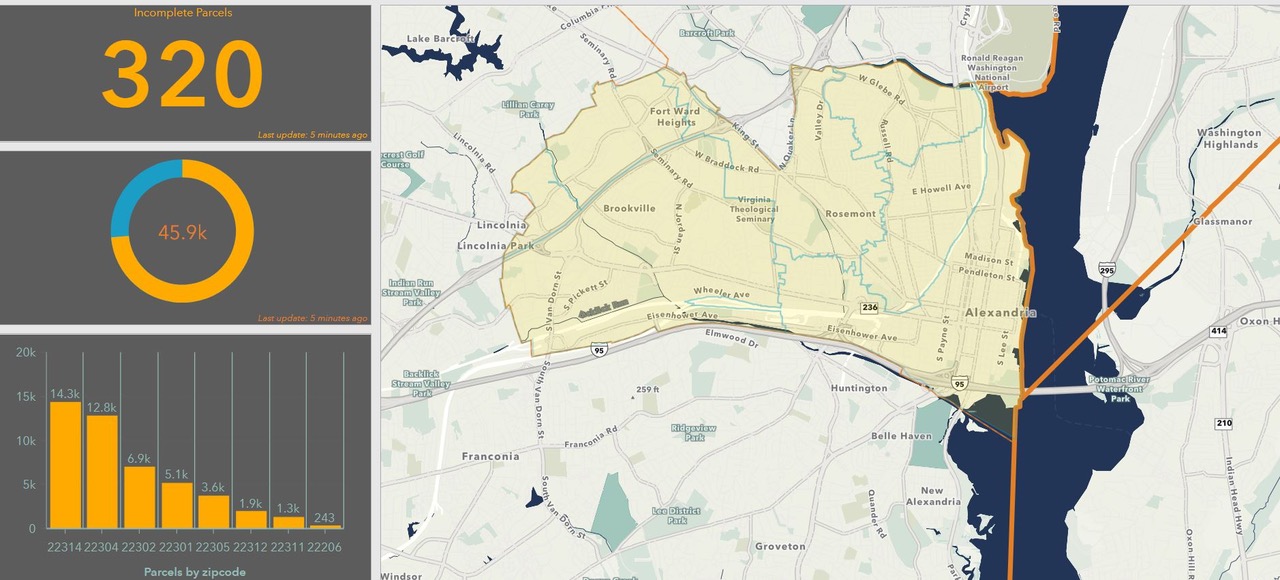
 Figure 1: DLS Dashboard[/caption]
In parallel, geocgi developed RBJs for each layer. These automated data quality tools generate tables and error layers that identify features not compliant with DLS rules. Each RBJ check directly implements an ISO 19157–based SDSFIE data quality metric pair.
The DLS and RBJ initiative delivered measurable improvements in data quality, contract execution, and resource management for our client. Since geocgi began this effort, data quality elements for evaluated Common Installation Picture (CIP) layers improved by 32%. From FY21, when the initiative was launched, to FY25, the percentage of mandatory metrics meeting established standards increased from 24% to 76%. In FY21, no CIP geospatial layers passed evaluation; by FY25, 49% of CIP layers were successfully passing evaluation standards.
[caption id="attachment_1630" align="alignright" width="729"] Figure 2: Data Quality Improvement[/caption]
Through the development of clear, comprehensive DLSs and automated RBJs, geocgi significantly improved the quality and consistency of delivered products. These efforts reduced ambiguity, minimized back-and-forth between stakeholders, streamlined review cycles, and reduced the level of QA/QC effort required prior to data ingestion.
The initiative also produced substantial operational efficiencies. By developing a comprehensive suite of policies, tools, and supporting documentation, including DLSs, RBJs, user guides, slick sheets, and change management documentation—geocgi helped reduce routine coordination from near-constant emails, calls, and meetings to virtually none, saving hundreds of labor hours. The DLSs now serve as a single authoritative reference for data editing and development, eliminating the need to cross-reference multiple sources. At the same time, RBJs rapidly identify data errors that would otherwise require extensive geoprocessing, queries, and joins, creating compounding time savings in data correction, discoverability, and processing workflows.
For more information about this project, please reach out to our Director of Programs and GEOFidelis Program Manager, PG Katsourakis
Figure 2: Data Quality Improvement[/caption]
Through the development of clear, comprehensive DLSs and automated RBJs, geocgi significantly improved the quality and consistency of delivered products. These efforts reduced ambiguity, minimized back-and-forth between stakeholders, streamlined review cycles, and reduced the level of QA/QC effort required prior to data ingestion.
The initiative also produced substantial operational efficiencies. By developing a comprehensive suite of policies, tools, and supporting documentation, including DLSs, RBJs, user guides, slick sheets, and change management documentation—geocgi helped reduce routine coordination from near-constant emails, calls, and meetings to virtually none, saving hundreds of labor hours. The DLSs now serve as a single authoritative reference for data editing and development, eliminating the need to cross-reference multiple sources. At the same time, RBJs rapidly identify data errors that would otherwise require extensive geoprocessing, queries, and joins, creating compounding time savings in data correction, discoverability, and processing workflows.
For more information about this project, please reach out to our Director of Programs and GEOFidelis Program Manager, PG Katsourakis


 For more than 20 years, geocgi has delivered geospatial, cloud, enterprise GIS, and mission support solutions to federal agencies nationwide. The company is a recognized Esri Gold Partner and holds multiple Esri specialty designations, including Cloud Services and ArcGIS Indoors specialties, reflecting deep expertise in secure enterprise geospatial environments and modern GIS infrastructure.
“Achieving CMMC Status of Final Level 2 reflects geocgi’s sustained investment in cybersecurity, compliance, and protecting the sensitive information entrusted to us by our customers,” said Nathan Russel, CIO and Director of IT at geocgi. “As we continue supporting defense, intelligence, and federal civilian, and other mission partners, strong security practices remain foundational to how we operate and deliver value.”
About Geospatial Consulting Group International, LLC (geocgi)
Geocgi is a federal geospatial and technology solutions company delivering enterprise GIS, cloud modernization, data management, application development, and mission support services to defense, intelligence, civilian, and commercial clients worldwide. Since its founding, geocgi has remained committed to helping organizations harness the power of geospatial technology to improve operational awareness, decision-making, and mission outcomes.
For more information about this certification and what it means, please reach out to our Director of Business Development Jason Thacker, jason.t.thacker@geocgi.com and our CIO and Director of IT Nathan Russell, nathan.k.russell@geocgi.com
For more than 20 years, geocgi has delivered geospatial, cloud, enterprise GIS, and mission support solutions to federal agencies nationwide. The company is a recognized Esri Gold Partner and holds multiple Esri specialty designations, including Cloud Services and ArcGIS Indoors specialties, reflecting deep expertise in secure enterprise geospatial environments and modern GIS infrastructure.
“Achieving CMMC Status of Final Level 2 reflects geocgi’s sustained investment in cybersecurity, compliance, and protecting the sensitive information entrusted to us by our customers,” said Nathan Russel, CIO and Director of IT at geocgi. “As we continue supporting defense, intelligence, and federal civilian, and other mission partners, strong security practices remain foundational to how we operate and deliver value.”
About Geospatial Consulting Group International, LLC (geocgi)
Geocgi is a federal geospatial and technology solutions company delivering enterprise GIS, cloud modernization, data management, application development, and mission support services to defense, intelligence, civilian, and commercial clients worldwide. Since its founding, geocgi has remained committed to helping organizations harness the power of geospatial technology to improve operational awareness, decision-making, and mission outcomes.
For more information about this certification and what it means, please reach out to our Director of Business Development Jason Thacker, jason.t.thacker@geocgi.com and our CIO and Director of IT Nathan Russell, nathan.k.russell@geocgi.com

Members of geocgi’s leadership team including our Director of Operations, Director of Programs, and Business Development Project Managers will be attending the Esri User Conference (EPC) in San Diego, California on July 13th – 17th. While geocgi will not be exhibiting, our team will be on site and looking forward to connecting with partners and building new relationships.
We’ll be continuing conversations around the GIS services we deliver in support of organizations including AFAMC, ANC, MCICOM, MCIPAC, NATO, PACAF, the U.S. Coast Guard, USPS, and WMATA. Whether you’re planning an enterprise GIS implementation, modernizing existing systems, or simply looking to reconnect, we look forward to meeting you.
If you would like to schedule a meeting with our staff, please reach out to our team:
Director of Operations, Adam Campbell adam.m.campbell@geocgi.com
Director of Programs, PG Katsourakis pg.katsourakis@geocgi.com
Business Development, Dr. Susan Wolfinbarger susan.wolfinbarger@geocgi.com
Business Development, Colin Johnson colin.r.johnson@geocgi.com
Solutions Manager, Jesse Parker jesse.w.parker@geocgi.com

Geospatial Consulting Group International, LLC (geocgi) was founded 20 years ago by Julie Christie and Andy Hanes after relocating from San Diego, CA to the Washington, D.C. area to serve DoD clients, where they recognized an opportunity to start a new company together. Identifying a single client and one program, they began as a subcontractor and successfully captured two critical positions on a newly competed GEOFidelis contract.
From two and a half employees located in Washington, D.C. and Hawaii to more than one hundred and ten employees around the globe, Julie and Andy recognize the hard work and contributions of those who have been part of the company over the past twenty years. Their collective efforts have shaped the sustainability and reputation that make geocgi the preeminent small business GIS firm it is today.
Geocgi started with some lessons learned and a few key goals: 1. Narrow the focus; 2. Invest in the professional development of staff to their and their clients’ benefit; 3. Work harder than the competition to gain the loyalty of both clients and staff. Julie says, “We wanted to specialize, to be niche service providers.” They came from company environments that tried to be and do too many things. The result was often that too many things were not done well. At geocgi, the goal was different. They wanted to build a reputation for incomparable quality and excellence in the marketplace. They also set out to create a different kind of company culture. It would reflect the values of its leaders and demonstrate genuine appreciation for employees and their well-being.

From the beginning, this meant making thoughtful and intentional choices. Early priorities included investing in the right equipment and software, along with supporting conference attendance, training, and professional certifications to help GIS and IT professionals grow in their careers. They also took a progressive approach to benefits. In 2006, they selected healthcare policies that extended coverage to as many people as possible, including unmarried partners, same sex couples, and extended family members living in the same household. These options were not easy to find at the time. Their approach to compensation followed the same philosophy. They implemented a 401(k) safe harbor plan with no vesting period. This was designed to reward employees for their contributions in real time rather than years down the line. They also chose to offer annual bonuses instead of stock options, avoiding long vesting schedules and ensuring more immediate recognition of hard work. Julie and Andy believed that by taking care of their staff, their staff would take care of their clients. In doing so, they built the kind of loyalty they were seeking, both internally and externally.
In the early days, employees like Andy Hanes at Headquarters Marine Corps, Ron Salz at Marine Corps Base Hawaii, and Rick Momsen at Camp Butler in Okinawa, Japan, worked tirelessly. Julie worked part-time as president of geocgi and full-time as VP of Contracts and Proposals for another startup company. Days supporting the client, nights and weekends strategizing on expansion, hard work that took years to pay off in some cases. As more opportunities were realized, an expanded workforce operated out of a single-family home in Alexandria, VA. The environment was implemented to be cost-effective, but it lent itself to something much more special – a familial sense of community across the team. While working among old family tchotchkes, youth sports equipment, and dog toys, staff made the most of their space. Ikea dining tables were rigged to double as ping pong tables. Weekly barbecues became a staple in the backyard, and before long, employees began bringing in their own pets, adding to the communal feel.
Julie reflects, “As we outgrew that initial space, we made a point to recreate that same environment wherever we went. It’s not easy to maintain that kind of familial vibe as you grow, but we were intentional about finding spaces that gave both new and long-term employees a sense of community. We wanted an environment that encouraged people to get to know one another. There would be no sterile Dulles Corridor cubicle offices for us.”
Pre-COVID, geocgi operated out of two offices in Alexandria, one of which many employees swore was haunted. Post-COVID, the team consolidated and kept the decidedly un-haunted Del Ray office that the company calls home today. Times at geocgi have not always been easy. Julie describes earlier years as “a roller coaster where unsecured Government budgets made annual staffing ramp ups and cuts an unfortunate reality. When Covid hit, we had no idea what the result would be.” Smaller and larger successes continued, and major milestones like geocgi’s first prime contract award at MCIPAC in 2015 made all the hard work worth it. Julie is also quick to point out that sometimes even a loss is a win.
Around the same time in 2015, geocgi competed for a prime spot on the Army’s IGI&S multiple award contract. “Andy, Adam, Shannon, and I worked so hard on that proposal, more than 150 pages of hard copy delivery, and after submission, the Government canceled the solicitation without any awards.” Shortly after the cancellation, the procuring contracting office contacted geocgi directly to share that, despite the outcome, their proposal was outstanding and that the Army had multiple opportunities they believed geocgi would be a strong fit for. Out of that “failure” came ten years of support to Arlington National Cemetery, along with a lasting lesson that hard work is ultimately rewarded.
[caption id="attachment_1563" align="alignleft" width="624"] 2017 all-hands meeting[/caption]
Andy and Julie called out several early key contributors to the Company’s initial success, along with some long-time key contributors. These long-time contributors have at least two critically important traits in common: 1. They’re not afraid to take on a new challenge; and 2. They are generally the hardest-working people in any given room. Since the beginning, Shannon Blomberg has gone from Office Manager and Bookkeeper to head of Human Resources, to Marketing and Event Lead – never limiting her scope and always agreeing to do the job that needed to get done on any given day. Ally McDonald started in Operations and, without hesitation, volunteered to shift over to Human Resources when we grew too big for Shannon to wear three different hats. Adam Campbell and PG Katsourakis both started as GIS Analysts and worked themselves into progressively more critical executive leadership roles. In Julie’s words, “To this day, PG astounds me with the amount of time and consideration he puts into both client management and employee satisfaction. He is, without a doubt, one of the hardest workers I have ever met. And Adam, any task you give him, he will excel at, and he will show gratitude for the learning experience you gave him through the assignment. He genuinely loves a challenge.” Andy says, “It is workers like these – from interns to executive team members that define our success.”

When asked about the Company’s future, Andy says, “I look forward to continued expansion in Europe and Asia. Particularly within NATO. And I want to continue to provide a platform where individuals can come and reach their professional goals and grow in their careers. Whether they stay with geocgi and develop from technical contributors or administrative support personnel into executives like PG Katsourakis, Adam Campbell, Ally McDonald, Jesse Parker, and Nathan Russell, or they go on to work with other companies big and small – I enjoy watching their progression.” When asked what excites her about her daily work and the future for geocgi, Julie said, “The answer is simple: beyond revenue and employee count milestones… what I look forward to most is identifying the next new client to whom we get to demonstrate our worth. . .our value. I look forward to showing them why they made the best possible choice when they picked us, and I like to watch that level of commitment and loyalty build through excellent service provided by our highly qualified, educated, and dedicated staff.” Julie went on to discuss how geocgi employees are the other part of the equation for her, “I love bringing in new talent and seeing who is going to be the next Adam Campbell or PG Katsourakis. I always want to know who is standing out, who is making a big impact.” Some of the newer hires that Andy and Julie mentioned they are watching include Melanie Duncan and Kyler Arbeiter “these two will take on any task you give them, and you can literally forget about it. They will kill it every time and never let you see them sweat”. They also highlighted technical personnel like Ryan Young and Nick Guzi. “They impress co-workers and clients alike. They figure things out and make themselves invaluable on any team.” Julie and Andy went on to call out Jason Thacker for his “unbounded energy and ability to manage so many different tasks,” Matt Wheeler for his dedication to both client and team, and Christine Johnson for making her team shine, among others.
“Bottom line, even if you are unsure of it, your hard work is being noticed, and I am proud of how hard all of our employees work.”
Here’s to the next 20 years!


In addition to directly awarded contracts, geocgi maintains a number of contracting vehicles and partner/teaming relationships for fast, flexible access to the full range of our technology offerings.
Contract vehicles:



Socio-Economic Status
By 2025 cloud-native platforms will serve as the foundation for more than 95% of new digital workloads. Access to mission critical data will no longer be bound by traditional on-premises datacenters as applications, websites, and systems become more reliant on cloud infrastructure. Cloud infrastructure is highly configurable to meet the organization's exact needs, scale, and business capabilities. Traditional investments in IT hardware and on-premises data centers require constant maintenance, facility space, and detailed disaster recovery and failover procedures. With cloud infrastructure, the overhead to manage your system is a fraction of the effort and cost while saving your organization space and providing peace of mind that your data and systems are secure and redundant.
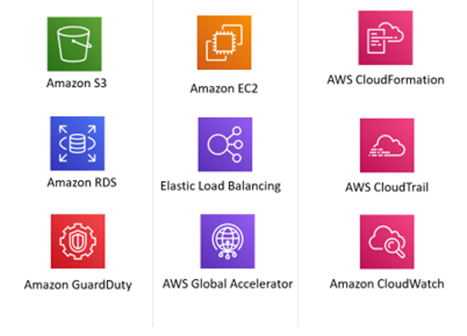
Geocgi can assist your organization build and secure a new cloud environment or with a modernization and migration transition, leveraging a scalable infrastructure to pay only for what you need. Our certified engineers have experience with hybrid and full cloud implementations, including:
Geocgi is an ArcGIS Cloud Specialty preferred Esri partner with ArcGIS Enterprise in cloud environments. We are an AWS Select Consulting Partner and can meet client objectives with AWS, Microsoft Azure, and hybrid-cloud environments. We staff AWS Cloud Practitioners, AWS Solutions Architects, AWS Developers, and Esri Enterprise Administration Associates.


We’re a team with diverse interests and unique personalities that shares a love of GIS and a passion for entrepreneurship. And while we’re made up of more than our management team, these are the guys and gals that get paid to take your calls, so feel free to reach out.
President
Questions the necessity of any meeting that isn’t a “lunch meeting”.
Vice President/OCONUS Programs Lead
Saving the world. . . one rescue animal at a time.
Director of Operations/Federal Programs Lead
Makes maps for weekend bar crawls.
Director of Programs/Marine Corps Programs Lead
Photios George Katsourakis. DNA kit not required.
Director of Administration and Human Resources
More interested in what your dog did over the weekend.
Director of IT/IT Programs Lead
Fountain of useless knowledge.
Director of Business Development
Not sure if Burning Man is right for you? Ask Jason.
Solutions Manager
I’m not oblivious, I just don’t care.
Managing Director, Digital, Technology, & Innovation
<>
sUAS Lead
Knows the exact height at which grass becomes a terrorist threat.
Operations, Communications & Recruiting Manager
Digitizing the Oregon Trail in ArcView 3.x with a rollerball mouse, while Bone Thugs-N-Harmony plays in the background.
Our goal is to bring talented people together and create something that makes us all proud. We are friends and we are family. We look out for each other and our company culture and benefits are designed to reflect that.
We want you happy and healthy - we cover 100% of employee medical, vision, and dental plan premiums. We also think it's never too early or too late to help you reach your long term financial goals, so we contribute 3% on top of your salary into your 401k - regardless of your contribution.
We want you to be motivated and engaged so we offer flexible hours along with opportunities to work remotely. Take time off when you need it and then come back refreshed and ready to crush it with your team.
We are situated in one of the coolest, family friendly neighborhoods in the DC Metro area. Our office is accessible and walkable to public transportation, restaurants, and parks.
We don't take ourselves too seriously and our office space reflects that. It is unique, comfortable, and a relaxing environment. Cook lunch in our full kitchen or on the grill out back. Bring your dog. Kick off your shoes - we've got slippers!
We think it's important to never stop learning and growing. Take advantage of our tuition and continuing education reimbursements. Step outside of your box and take on a research and development project. Attend a conference. Go and do!
When we need a break, we throw darts or put together a spontaneous bbq. We have regular team lunches and happy hours too. In short, we love hanging out together and having a good time.